Posted April 13, 2026

By Enrique Abeyta
The Night America Burned the Blockade
History doesn’t repeat itself, but it often rhymes.
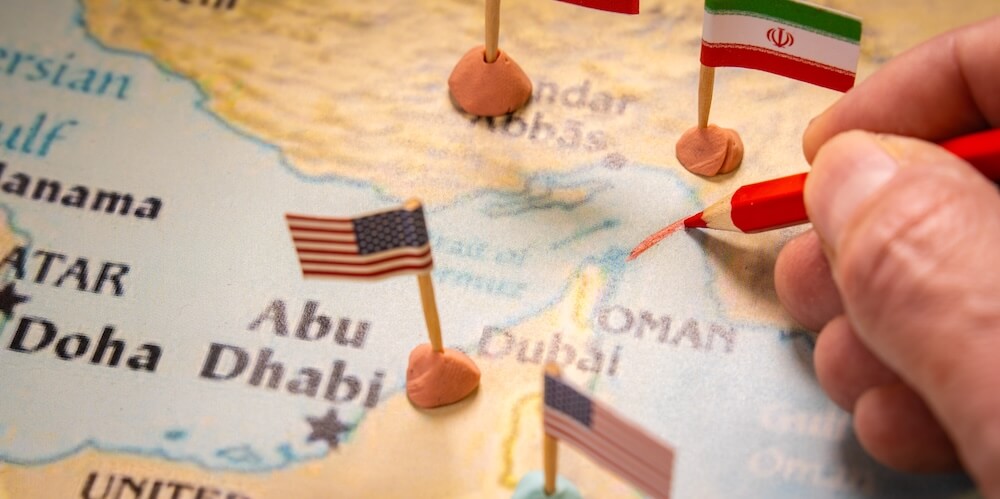
Right now, investors are watching headlines about Iran, oil flows, and the possibility of a chokehold on one of the most important shipping lanes in the world.
The anxiety is understandable. But here’s what too many people are missing...
This isn’t new.
In fact, the U.S. has dealt with this same situation before, almost exactly.
So to better understand this moment and what may come next, let’s take a brief detour through history.
When Trade Was Held Hostage
In the early 1800s, American merchant ships faced a serious problem.
The so-called Barbary States of North Africa — Tripoli, Algiers, and Tunis — controlled key maritime routes in the Mediterranean. And they weren’t shy about using that control.
They demanded tribute. Pay the toll, and your ships passed safely.
Refuse, and they would be seized, crews imprisoned, and cargo taken. It was legalized piracy dressed up as diplomacy.
At first, the U.S. paid like many nations before it. It was cheaper, easier, and avoided conflict… until it didn’t.
In 1801, under President Thomas Jefferson, the U.S. stopped paying. Tripoli responded the only way it knew how, by escalating.
American ships were threatened. Trade routes were effectively held hostage. An informal (but very real) blockade began to take shape.
Sound familiar?
The early stages of the Barbary War didn’t go smoothly. In fact, they went badly.
In 1803, the USS Philadelphia ran aground near Tripoli harbor and was captured. Suddenly, the enemy didn’t just control the waters — they had an American warship.
That ship became both a tactical weapon and a symbol of leverage. It was the kind of moment where weaker powers historically gain the upper hand by controlling a narrow point of pressure.
But here’s where the story turns.
In 1804, a young naval officer named Stephen Decatur led a mission that would become legendary.
Under the cover of darkness, Decatur and a small team sailed into Tripoli harbor disguised as a local vessel. They boarded the captured Philadelphia, overwhelmed its guards, and set it ablaze.
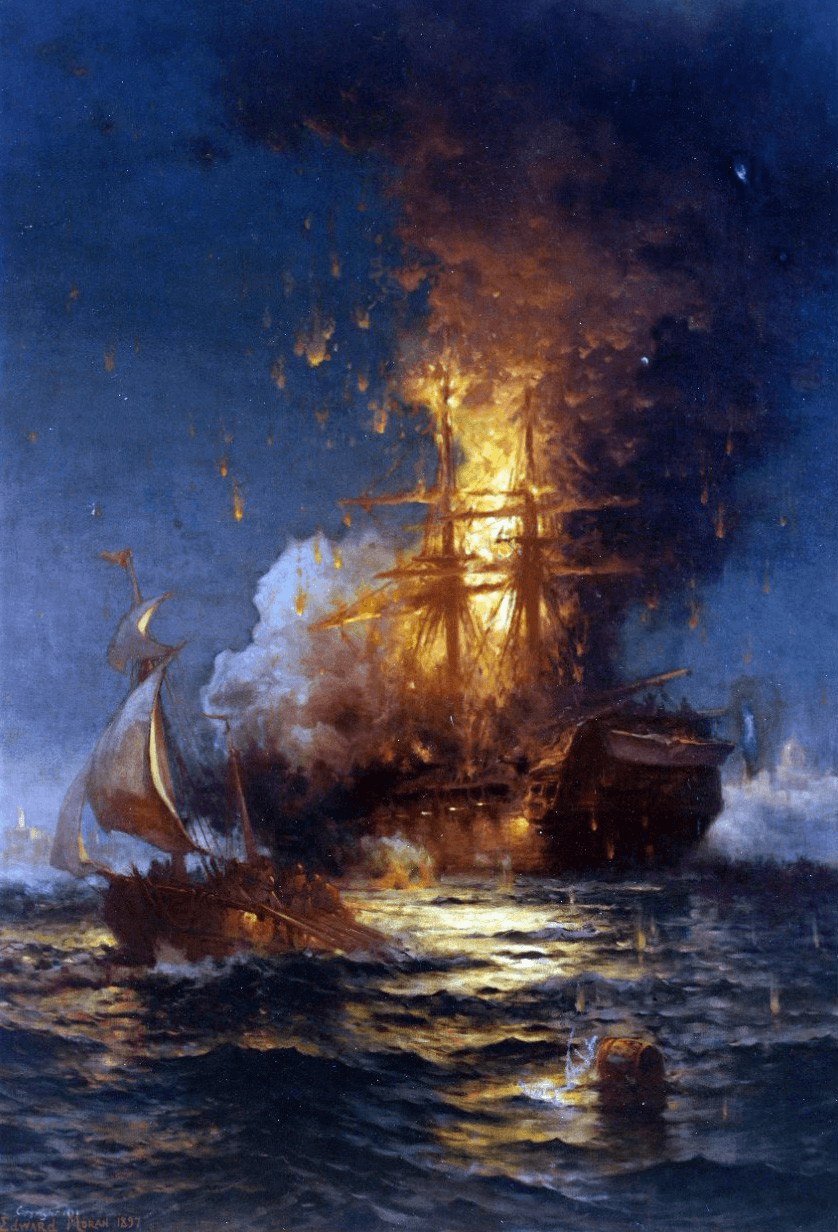
The burning of the USS Philadelphia in Tripoli Harbor, 1804
Admiral Horatio Nelson would later call it “the most bold and daring act of the age.”
The strategy was simple. If your enemy is using a choke point against you, you don’t negotiate — you remove the choke point.
That single act didn't end the war immediately, but it shattered the illusion of control.
It proved that the U.S. could project power into hostile territory, disrupt the blockade, and shift the balance of power.
Now let’s get back to the present.
Different Players, Same Game
Iran’s leverage, much like Tripoli’s two centuries ago, centers around controlling a critical shipping route.
In this case, it’s the Strait of Hormuz, a narrow passage through which a significant portion of the world’s oil supply flows.
And yes, the technology looks different.
Instead of wooden ships and cannons, we’re talking about drones, mines, and asymmetric naval tactics.
Iran has invested heavily in low-cost, high-impact tools designed to disrupt traffic and create fear without engaging in full-scale war.
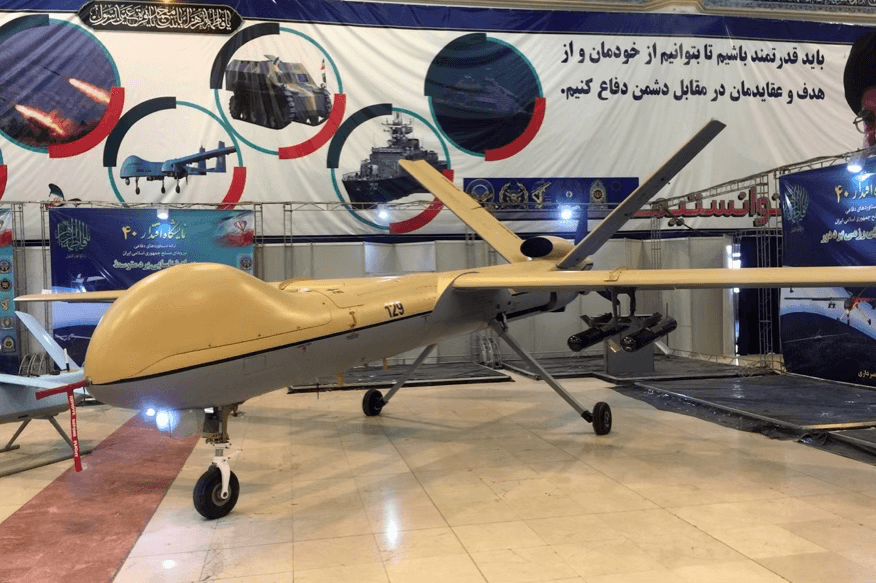
Iranian Shahed 129 Drone
But we’re not fighting with 1804 technology either.
The U.S. has spent decades and billions of dollars on developing our own next-generation capabilities.
That includes autonomous underwater drones designed to detect and neutralize mines. These unmanned surface vessels can patrol contested waters, and precision-strike systems can eliminate threats before they fully materialize.
In other words, the “new” tactics aren’t one-sided. They cut both ways.
And if history is any guide, the advantage tends to favor the side with superior coordination, intelligence, and the willingness to act decisively.
Which brings us to where we are now.
In a recent piece, I talked about “checkmate,” the idea that conflicts like this often come down to a single, decisive move that shifts the entire dynamic.
Not a prolonged stalemate or endless escalation. One move.
The burning of Philadelphia wasn’t the final act of the First Barbary War, but it was the turning point.
It changed the psychology of the conflict, removed leverage, and opened the door to resolution.
Today, the equivalent move would likely look different, but the objective is the same.
Ensure the waterway stays open. Neutralize the threat. And make it clear that attempts to control the flow of global trade will not succeed.
If and when that move happens, it won’t be subtle. It will be targeted, strategic, and designed to end the uncertainty.
And when uncertainty disappears, markets adjust fast.
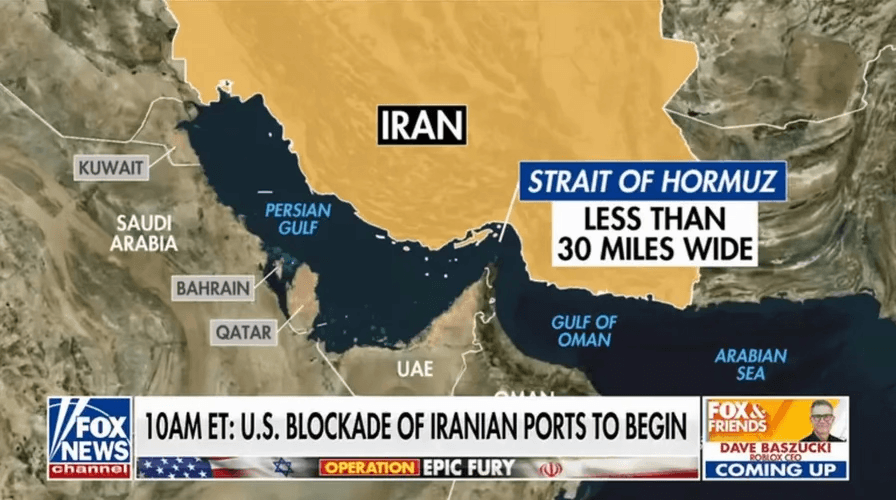
And a U.S.-led blockade of the Straight of Hormuz, like the one beginning today, is just such a move.
The Market Is Already Thinking About the Endgame
Here’s where things get interesting from an investing standpoint.
Most people assume that any escalation in this situation automatically means higher oil prices. That’s the knee-jerk reaction.
But markets aren’t just reactive. They’re also anticipatory.
Right now, there are signs that the market is already pricing in a resolution scenario similar to what we’ve outlined.
A temporary disruption, followed by a decisive response that restores flow and removes the threat.
If that’s the case, oil prices may not spike nearly as much as people expect.
In fact, the bigger move could come after the situation stabilizes.
Because once the choke point is clearly broken, risk premiums evaporate. Supply expectations normalize. And prices can move sharply in the opposite direction.
That’s the kind of setup that catches people off guard.
Not because the outcome is surprising, but because the timing is.
The lesson here isn’t that every conflict plays out the same way.
It’s that the underlying dynamics — the use of chokepoints, the demand for tribute, the strategic response to break control — have been part of global trade for centuries.
From the Barbary Coast to the Strait of Hormuz, the playbook hasn’t changed all that much.
When critical trade routes are threatened, they get reopened. When blockades are imposed, they get broken.
And sometimes it just takes one decisive move overnight to change everything by morning.
Sign Up Today for Free!
Truth & Trends brings you market insights and trading tips you won't find anywhere else — unless you have your own personal hedge fund manager on speed dial...
Meet Enrique Abeyta, one of Wall Street’s most successful hedge fund managers. With years of experience managing billions of dollars and navigating the highs and lows of the financial markets, Enrique delivers unparalleled market insights straight to your inbox.
In Truth & Trends, Enrique shares his personal take on what’s moving the markets, revealing strategies that made him a star in the world of high finance. Whether it’s uncovering the next big trend or breaking down the hottest stocks and sectors, Enrique’s insights are sharp, actionable, and proven to work in any market condition.
Inside these daily updates, you’ll gain:
- 50 years of combined trading wisdom distilled into actionable insights.
- A behind-the-scenes look at how Wall Street pros spot opportunities and avoid pitfalls.
- Exclusive strategies that Enrique personally uses to deliver exceptional returns — no fluff, just results.
To have Truth & Trends sent directly to your inbox every weekday, just enter your email address below to join this exclusive community of informed traders.
Don’t miss your chance to learn from one of the best in the business.
Sign up now and take your trading game to the next level.
Quick 5-Minute Masterclass on Finding Breakout Stocks
Posted April 10, 2026
By Greg Guenthner

3 Must-Own Stocks as the War Rages on
Posted April 06, 2026
By Enrique Abeyta

Embrace the Divine to Improve Your Trading
Posted April 02, 2026
By Enrique Abeyta

Iran: Fast Checkmate, But Maybe No Winner
Posted March 30, 2026
By Enrique Abeyta

Welcome to the Worst Possible Market
Posted March 27, 2026
By Greg Guenthner
![[48 Hours] One Step Closer to the Iran Endgame](http://images.ctfassets.net/vha3zb1lo47k/7o9bZ7e2QPeTe7qntxzXPc/71c43dd00c51b9ab72e63f054396cac7/ttr-issue-03-26-26-img-1.jpg)