Posted April 16, 2026

By Enrique Abeyta
Remedy for the Tax Day Hangover
Yesterday was Tax Day.
It’s the deadline for you to log in, take a deep breath, and hit that “submit” button on a number you probably wish was smaller.
And if you’re like most people, you had the same thought right after.
“I need to do a better job managing this next year.”
The problem is that by the time Tax Day rolls around, the game is already over.
The trades that determined what you owed were made long ago when taxes were the last thing on your mind.
They were made when you chased momentum… When you held onto a loser, hoping it would bounce… Or when you locked in a gain without thinking about what came next.
That’s why taxes aren’t something you deal with once a year. They’re a year-round investing discipline.
And that’s exactly why today is the perfect time to reset how you think about it.
So instead of looking backward at what you just paid, let's look ahead.
Make Your Losses Work for You
A lot of people start thinking about managing gains and losses at the end of the calendar year. But it’s something you need to keep in mind year-round.
Take last year as an example.
We watched companies tied to major themes like AI, quantum computing, and next-generation energy soar early in the year — and then pull back sharply.
That created a powerful setup.
Come year-end, many investors are sitting on a mix of realized gains from earlier trades and unrealized losses from more recent entries.
Handled correctly, that combination isn’t a problem. It’s an opportunity.
If you’ve locked in gains earlier in the year, especially short-term gains taxed at higher rates, realizing some losses can help offset those gains and reduce your overall tax burden.
And after a period of volatility as we've seen recently, there are plenty of opportunities to do just that.
Think about the more speculative corners of the market, areas like AI infrastructure, quantum computing, nuclear innovation, and critical minerals.
Many of these names surged quickly and then gave back a meaningful portion of those gains.
If you bought late in that move last year, you were most likely sitting on losses at the end of the year.
That’s not ideal. But it’s not useless either.
Those losses can be used strategically, not just to clean up your portfolio, but to improve your after-tax returns.
A Smarter Way to Rotate
Of course, selling a position doesn’t mean you have to walk away from the opportunity entirely.
There’s a common misconception that realizing a loss means giving up on a theme. That’s simply not true.
Tax rules prevent you from immediately buying back the same security, which is known as a wash sale. But they don’t prevent you from staying invested in the broader trend.
Take quantum computing as an example.
Companies like IonQ, D-Wave Quantum, Rigetti, and Quantum Computing are all different businesses. Still, they often trade in the same general direction.
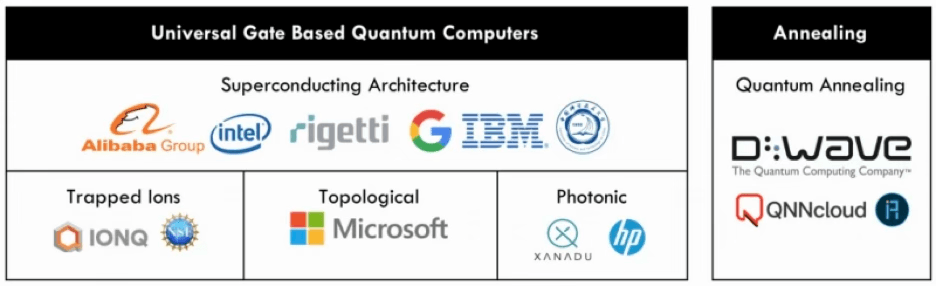
That gives you flexibility.
You can exit a losing position, realize the loss, and rotate into another name within the same theme.
You maintain your exposure. But you also improve your tax position.
Again, it’s always worth consulting with a professional when it comes to tax strategy.
But at a high level, this kind of “like-for-like” rotation is one of the simplest ways to stay invested while still being tax-efficient.
Upgrade What You Own
Even better, you can use this process as an opportunity to improve the overall quality of your portfolio.
Because one of the most interesting dynamics in markets right now is this:
Some of the highest-quality companies have sold off right alongside the more speculative names.
Take Meta Platforms as an example.
In 2025, the company reported strong results, continued to invest aggressively in AI, and remained one of the world's most dominant platforms.
And despite that strength, the stock pulled back meaningfully from its previous highs in Q4.
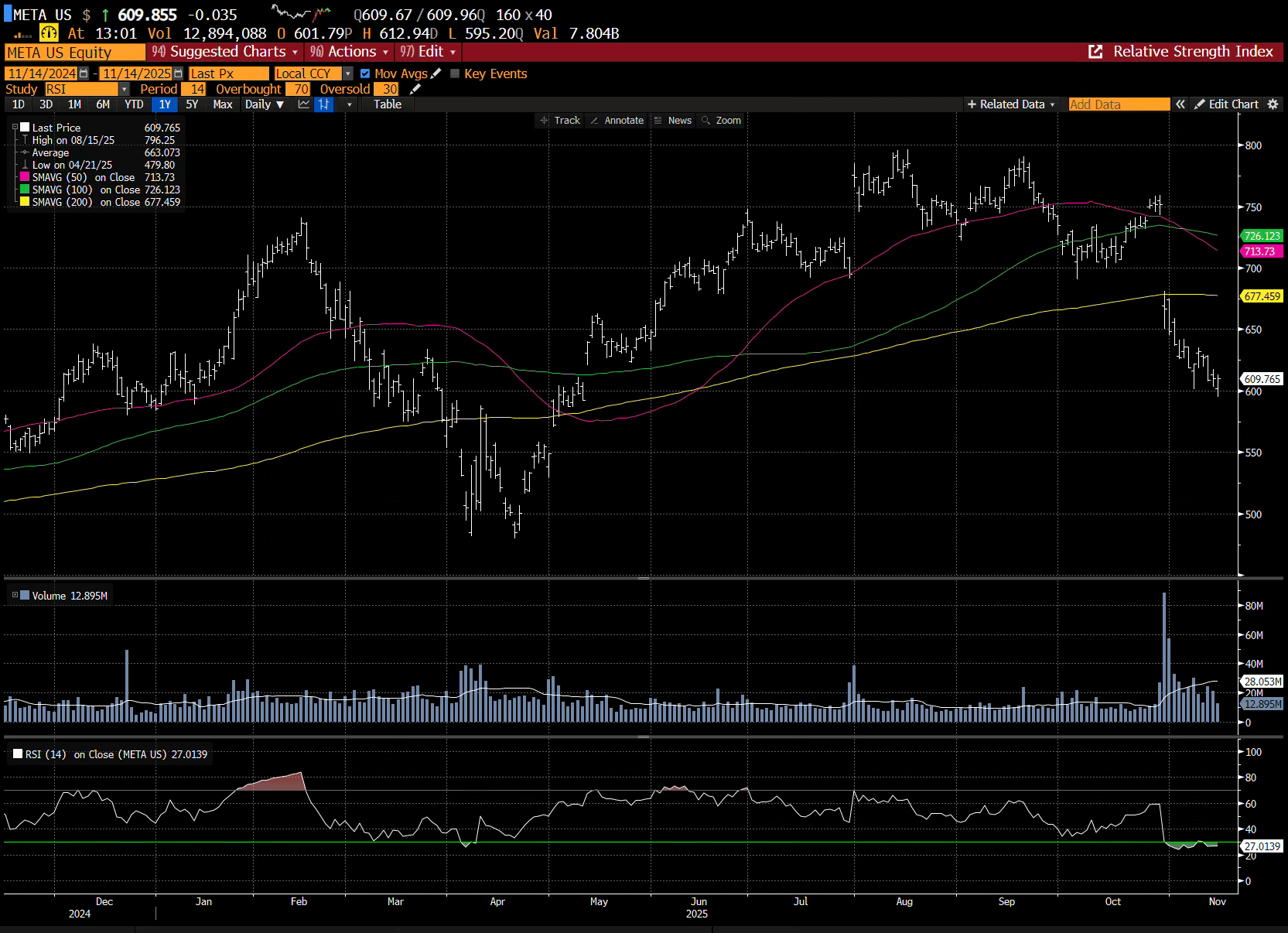
That created an opportunity.
Instead of simply rotating from one speculative name to another, you can redeploy capital freed up by losses into businesses with stronger fundamentals, better balance sheets, and clearer long-term growth paths, like Meta.
In other words, you’re not just managing taxes. You’re upgrading your portfolio.
Use Time to Your Advantage
There’s one more strategy that many investors overlook, and it can have a meaningful impact on both returns and taxes.
It has to do with time.
As we discussed earlier, assets held for less than a year are typically taxed at higher short-term rates. Hold them longer, and you may qualify for more favorable long-term treatment.
Most investors think about this only in terms of stocks. But you can approach it more strategically using options.
Instead of buying short-dated contracts that expire in a matter of weeks, consider going further out on the calendar — 12, 13, even 15 months.
These longer-dated options, often referred to as LEAPS, give your thesis more time to play out.
They reduce the pressure of short-term volatility. And they allow you to participate in upside with less capital upfront.
Just as importantly, they encourage a longer-term mindset, which can help reduce the constant churn that often leads to higher tax bills.
For example, instead of chasing a fast-moving AI stock after a pullback, you might use a longer-dated option to position for the next leg higher over the coming year.
Same idea. Smarter structure.
Of course, options come with their own risks and complexities, so it’s important to understand how they work before using them.
But when used thoughtfully, they can be a powerful addition to your toolkit.
Tax Season Is All Year Long
By the time Tax Day arrives, your results are already locked in.
But the decisions that shape next year’s tax outcome? Those start today.
So don’t wait until November to think about taxes, positioning, or portfolio quality. Use this moment — right now — to get intentional.
Because a few smart moves, applied consistently throughout the year, can be the difference between writing a painful check next April…
And keeping more of what you earn.
Of course, this is not personal tax advice. But it's worth understanding how these strategies work before you talk to someone who can apply them to your situation.
Sign Up Today for Free!
Truth & Trends brings you market insights and trading tips you won't find anywhere else — unless you have your own personal hedge fund manager on speed dial...
Meet Enrique Abeyta, one of Wall Street’s most successful hedge fund managers. With years of experience managing billions of dollars and navigating the highs and lows of the financial markets, Enrique delivers unparalleled market insights straight to your inbox.
In Truth & Trends, Enrique shares his personal take on what’s moving the markets, revealing strategies that made him a star in the world of high finance. Whether it’s uncovering the next big trend or breaking down the hottest stocks and sectors, Enrique’s insights are sharp, actionable, and proven to work in any market condition.
Inside these daily updates, you’ll gain:
- 50 years of combined trading wisdom distilled into actionable insights.
- A behind-the-scenes look at how Wall Street pros spot opportunities and avoid pitfalls.
- Exclusive strategies that Enrique personally uses to deliver exceptional returns — no fluff, just results.
To have Truth & Trends sent directly to your inbox every weekday, just enter your email address below to join this exclusive community of informed traders.
Don’t miss your chance to learn from one of the best in the business.
Sign up now and take your trading game to the next level.

The Night America Burned the Blockade
Posted April 13, 2026
By Enrique Abeyta

Quick 5-Minute Masterclass on Finding Breakout Stocks
Posted April 10, 2026
By Greg Guenthner

3 Must-Own Stocks as the War Rages on
Posted April 06, 2026
By Enrique Abeyta

Embrace the Divine to Improve Your Trading
Posted April 02, 2026
By Enrique Abeyta

Iran: Fast Checkmate, But Maybe No Winner
Posted March 30, 2026
By Enrique Abeyta